
Local Painters Southport
Painters Southport
When it comes to achieving a long-lasting and professional paint finish, surface preparation is one of the most important stages of the process. Homeowners looking for the best painters Southport understand that quality workmanship begins well before the first coat of paint is applied. Proper preparation ensures paint adheres correctly, improves durability, and creates a smoother, more attractive finish.
At Integra Paint, we know that every successful painting project starts with careful assessment and preparation of the surfaces being painted. Whether it is an interior refresh or a complete exterior repaint, our team follows proven preparation methods designed to deliver exceptional results. This attention to detail is one reason many homeowners choose the best painters Southport for their residential painting needs.
The Gold Coast climate can be tough on painted surfaces, with strong sunlight, humidity, and seasonal weather affecting the lifespan of paintwork. Professional surface preparation helps address these challenges by creating the ideal foundation for premium coatings. By working with the best painters Southport, homeowners can enjoy a finish that looks better and lasts longer.

Why Surface Preparation Matters
Surface preparation plays a crucial role in determining the overall success of any painting project. The best painters Southport understand that even the highest-quality paint cannot perform properly when applied to dirty, damaged, or poorly prepared surfaces. Preparation helps ensure maximum adhesion and long-term durability.
Without adequate preparation, paint may peel, blister, crack, or fade prematurely. Existing issues such as mould, moisture damage, flaking paint, and surface imperfections can compromise the final result if not addressed before painting begins. The best painters Southport take the time to identify and rectify these problems to achieve a professional finish.
Investing in thorough preparation may require additional effort upfront, but it significantly improves the appearance and lifespan of the completed paintwork. Homeowners who choose the best painters Southport benefit from a meticulous approach that delivers lasting value and superior results.

Essential Surface Preparation Steps
1. Cleaning the Surface
The first step in any painting project is removing dirt, dust, grease, mould, and other contaminants from the surface. Clean surfaces allow paint to bond more effectively and help prevent future coating failures. The best painters Southport use appropriate cleaning methods based on the type and condition of the surface being prepared.
Proper cleaning is especially important on exterior surfaces exposed to the elements. Accumulated grime and mould can interfere with paint adhesion and affect the appearance of the finished project. Thorough cleaning creates a fresh foundation for the next stages of preparation.
2. Repairing Surface Imperfections
Once surfaces are clean, any cracks, holes, dents, or damaged areas should be repaired. Addressing these imperfections before painting helps create a smoother finish and prevents minor issues from becoming larger problems over time. The best painters Southport carefully inspect surfaces to identify areas requiring repair.
Fillers, patching compounds, and specialised repair materials are often used to restore damaged surfaces. Proper repairs improve both the appearance and structural integrity of the painted area. This stage is particularly important for older homes where wear and tear may be more noticeable.
3. Sanding for a Smooth Finish
Sanding helps remove loose paint, smooth rough patches, and create a suitable surface profile for new coatings. The best painters Southport understand that sanding is critical for achieving strong adhesion and a professional-looking finish.
Different surfaces require different sanding techniques and equipment. Whether preparing timber, plasterboard, or previously painted surfaces, experienced painters use the appropriate methods to ensure optimal results. Proper sanding also helps blend repaired areas seamlessly into surrounding surfaces.
4. Priming the Surface
Applying primer is often the final preparation step before painting begins. Primers help seal porous surfaces, improve adhesion, and create a uniform base for topcoats. The best painters Southport select primers that are specifically suited to the substrate and environmental conditions.
Primer is particularly important when painting new surfaces, repairing damaged areas, or changing colours significantly. It enhances paint performance and can improve overall coverage, reducing the number of coats required. Professional painters understand when and where primer should be used to achieve the best outcome.

Interior Painting Tips for a Flawless Finish
Choosing the Right Paint
Selecting the right paint product is crucial for both appearance and durability. The best painters Southport consider factors such as room usage, moisture exposure, lighting conditions, and desired finish when recommending paint options. Different areas of the home often require different paint formulations.
High-quality paints typically offer better coverage, colour retention, washability, and resistance to wear. Investing in premium products can improve the longevity of the paintwork and reduce future maintenance requirements. The best painters Southport help homeowners choose products that deliver the best value over time.
Using Quality Tools
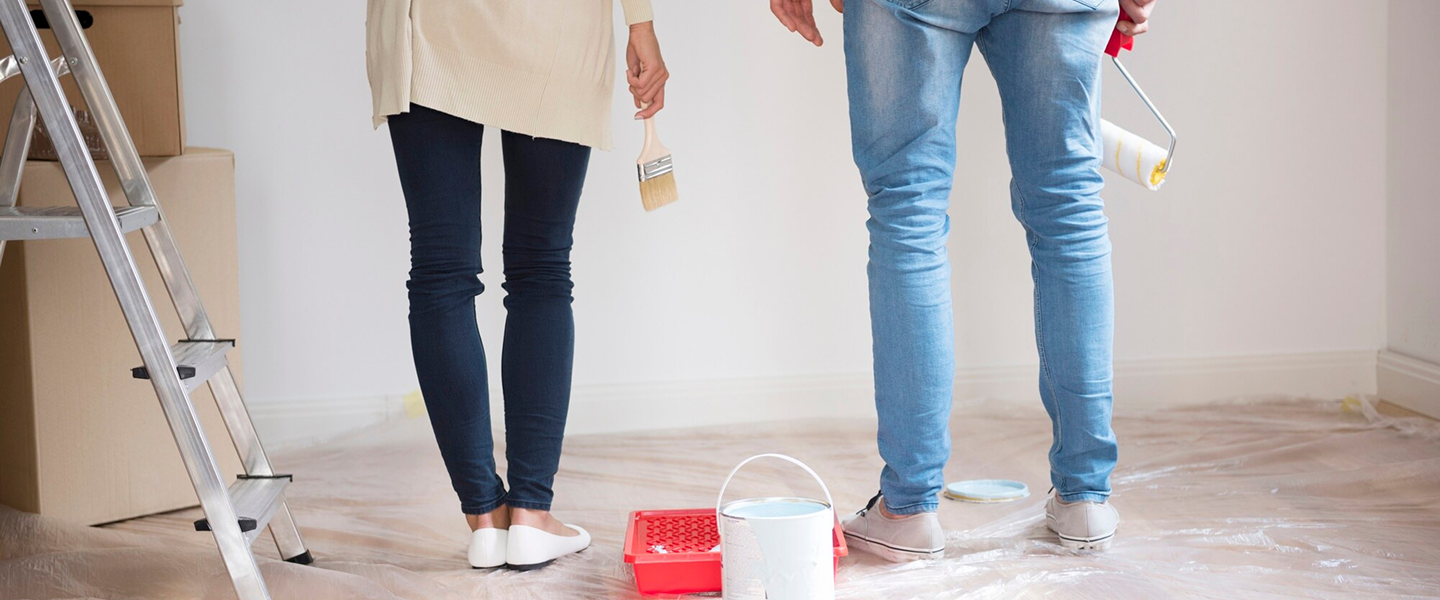
The quality of painting tools can have a significant impact on the finished result. The best painters Southport use professional-grade brushes, rollers, sprayers, and preparation equipment to ensure precise application and consistent coverage.
High-quality tools allow painters to achieve smoother finishes, cleaner edges, and more efficient application. They also help minimise common issues such as streaks, roller marks, and uneven coverage. Professional painters understand which tools are best suited to specific surfaces and project requirements.
Applying the Paint
Applying paint correctly requires skill, experience, and patience. The best painters Southport follow proven application techniques to achieve even coverage, crisp lines, and a flawless appearance across all surfaces. Proper application also helps maximise paint durability and performance.
Multiple coats may be required depending on the colour change, surface condition, and paint type. Professional painters understand the importance of allowing sufficient drying time between coats to achieve the best results. The best painters Southport carefully monitor each stage to ensure a high-quality finish.
Expert Insights from Southport Painters Gold Coast
Experienced painting professionals understand that every property presents unique challenges and opportunities. The best painters Southport assess each project individually, taking into account surface conditions, environmental factors, and client goals before developing a tailored painting solution.
Local expertise is particularly valuable on the Gold Coast, where climate conditions can influence paint performance and maintenance requirements. The best painters Southport use their knowledge of local conditions to recommend products and techniques that provide lasting protection and exceptional visual appeal.
Working with experienced painters allows homeowners to avoid common mistakes and achieve superior outcomes. From preparation through to completion, professional guidance ensures a smoother process and better long-term results for every project.
What did we learn
Surface preparation is one of the most critical components of a successful painting project. The best painters Southport understand that proper cleaning, repairs, sanding, and priming create the foundation for a durable and attractive finish that stands the test of time.
We also explored key interior painting tips, including selecting quality paints, using professional tools, and applying coatings correctly. Each stage contributes to the overall appearance, durability, and performance of the completed paintwork.